AI Fluency · Knowledge Architecture · Human-in-the-Loop Practice
Most AI adoption failures are not technology failures.
They are the knowledge debt that was deferred for years.
Human Layer Systems names it, scopes it, and builds the infrastructure that fixes it — so AI tools perform, teams adopt with confidence, and the organization stops repeating the same cycle.
8,568 employees enabled — 80%+ active user retention at six months — delivered in half the projected time
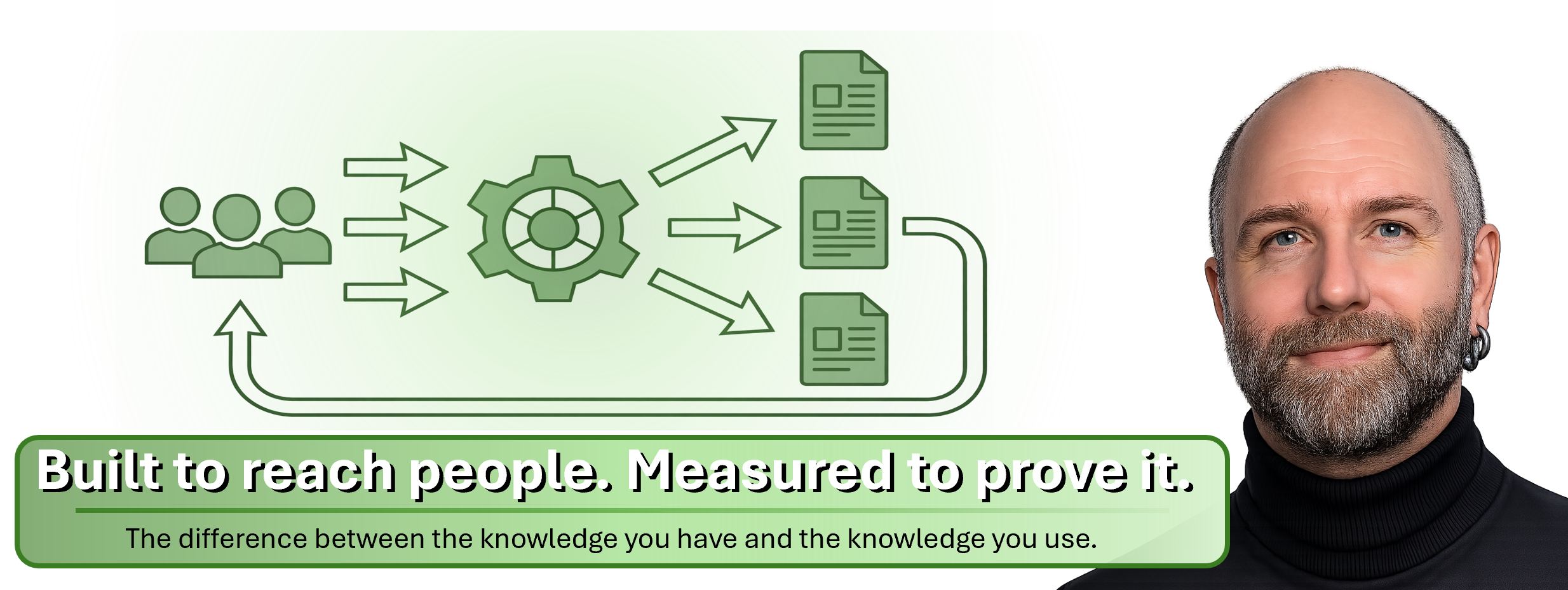
What we do
Most AI adoption problems are not technology problems.
They are clarity, knowledge, process, and people problems.
When AI tools underperform, it is rarely the model. It is because the knowledge feeding them was never designed for machines — no structure, no taxonomy, no governance layer that tells the organization how information should be created, maintained, or trusted.
When teams struggle to use AI productively, it is rarely a training problem. It is because they were never given a framework for how to think with AI — how to direct it, question it, verify it, and connect it to real work without losing the human judgment that makes the work valuable.
Human Layer Systems addresses both sides. We build the knowledge systems that make AI retrieval reliable. And we build the human fluency that makes AI adoption stick. You keep everything. The cycle ends.
AI literacy
Teaches people what AI tools are — what they can do, what they cost, how they work
AI fluency
Teaches people how to think, direct, verify, and adapt with AI in real work — so the judgment stays human
What changes
Teams that adopt AI fluency use tools intentionally, catch errors confidently, and build better workflows over time
What we leave behind
A knowledge architecture, a prompt system, a fluency framework, and a team that can sustain all of it without us
How we think about this
Three frameworks that structure every HLS engagement.
A staged fluency model that meets people and teams where they are and builds toward genuine AI capability — not just tool adoption.
Four stages of AI fluency development. Crawl is orientation and basic prompting. Walk is synthesis and multi-input work. Run is workflow integration. Fly is autonomous AI-augmented practice. Every HLS engagement is staged around this model.
A content design methodology built for machine retrieval. Every fragment stands alone. No context assumptions. No retrieval failures.
Most enterprise content was written for humans to read in sequence. SCA redesigns it for machines to retrieve in fragments. When AI tools underperform, the content architecture is usually why. SCA fixes that at the structural level.
The accumulated cost of deferred knowledge infrastructure work — and the reason AI adoption keeps failing.
Organizations spend years creating content without governance, taxonomy, or structure. AI arrival does not create this problem. It exposes it. Epistemic debt is why the flamethrower metaphor is accurate: better AI is not the answer. Clearing the debt is.
Greg Wood, Enterprise Educator and People Skill Developer
Services built around real work
Every Human Layer Systems engagement is scoped around a specific problem with defined deliverables and a fixed timeline. No open-ended retainers. No recurring dependency. You keep everything we build.
Whether you need monthly AI advisory support, a team fluency workshop, a prompt and guardrail system, or a full knowledge architecture engagement — the scope is defined up front, and the outcome is measurable.
Core concept
AI fluency is not the same as AI literacy.
Literacy teaches people what AI tools are. Fluency teaches people how to think, direct, verify, and adapt with AI in real work. The difference determines whether AI becomes a gimmick, a risk, or a genuine advantage for your team.
Prompt Design
Knowing how to write a prompt is not enough. AI fluency means understanding when to prompt, how to structure context, and how to verify what comes back before acting on it.
Skill: Direction & context framingVerification Habits
AI tools are confident and wrong more often than people expect. Fluency builds the habit of checking outputs against domain knowledge, not just accepting them because they look right.
Skill: Critical evaluation of AI outputWorkflow Judgment
Not every task belongs in an AI workflow. Fluency includes knowing where AI adds value, where it adds risk, and how to design workflows that keep human judgment in the right places.
Skill: Human-in-the-loop designThe business case
Your teams are paying for broken knowledge systems every day.
Every hour spent searching for the right answer, every AI tool that returns outdated content, every contractor cycle that resets at zero — these are measurable costs. They trace back to the same root cause: no governing architecture. Here is what changes when that is fixed.
Reduced Time-to-Information
When content is structured and findable, employees stop depending on colleagues to locate basic answers. Faster access means fewer delays, fewer escalations, and less duplicated effort.
Content That Stays Reliable
Without governance, content drifts. Policies conflict. Outdated procedures circulate alongside current ones. A structured, metadata-driven architecture eliminates that drift and keeps content trustworthy at scale.
AI Retrieval That Actually Works
Most enterprise AI implementations underperform because the content feeding them was never designed for machine retrieval. We build systems structured for LLMs and RAG from the ground up — not adapted after deployment.
Knowledge Infrastructure That Scales
Growth, mergers, and team changes do not have to reset your knowledge base. A well-designed architecture absorbs organizational change without requiring a rebuild. You scale the content, not the chaos.
The Contractor Cycle Ends
Organizations that keep rehiring contractors for the same documentation problems are not understaffed. They are under-systematized. A permanent framework replaces the cycle with infrastructure your own people can sustain.
Governance Without the Bottleneck
Content governance fails when it creates more process than it prevents risk. We design oversight models that enforce quality and accuracy standards without slowing down the teams who need to create and update content.
Founder
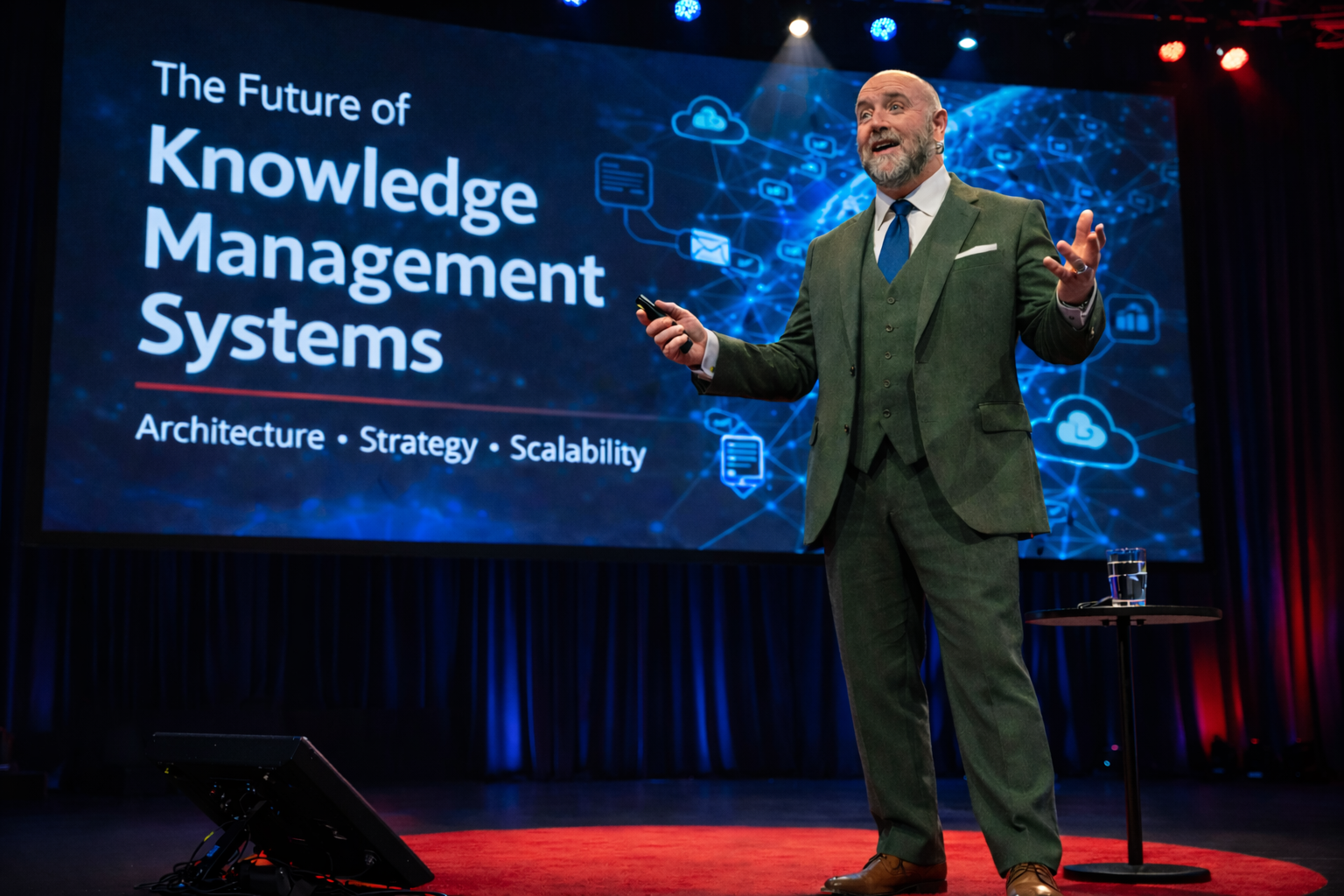
Joshua Bechtel
Founder and Principal Consultant, Human Layer Systems
Joshua spent 20+ years in enterprise technical writing, content architecture, and organizational enablement before leading the Copilot rollout for 8,568 employees at Discover Financial Services (now Capital One) — achieving 80%+ active user retention at six months. He founded Human Layer Systems on the insight that most AI adoption failures are not technology problems: they are knowledge architecture and human fluency problems that were deferred for years before AI made them impossible to ignore.
Certified Information Mapping Practitioner
Full bio and work history at joshuabechtel.com →Podcast
Pattern Recognized
Pattern Recognized explores practical AI adoption, human judgment, knowledge systems, and the difference between using AI and being led by it.
New episodes weekly. Audio only. No fluff. Approved by multiple distributors.
All Episodes →How it starts
A conversation. No obligation. No pitch. Just clarity.
Before a Statement of Work exists, before a scope is defined, before anything is sold — there is a conversation. You describe what your organization does, what is not working, and what you think you need.
We listen. We ask the questions previous contractors never did. And we tell you honestly whether what we do maps to what you need. If it does not, we will tell you that too.
You describe the problem
Documentation chaos, failed AI adoption, contractor dependency, post-merger knowledge gaps — wherever the pain is, that is where we start.
We map it against the framework
Six domains of knowledge architecture practice. Most organizations have problems in two or three. The discovery session surfaces which ones and in what priority.
We agree on whether there is a fit
If the engagement is right for your situation, we scope it together. If it is not, you leave with a clearer picture of the problem regardless. That part is always free.
Start here
Book a Discovery Session
Free. No obligation. 45 minutes. For organizations dealing with documentation problems, AI readiness gaps, or contractor cycles that never seem to end.
Schedule a SessionA limited number of discovery sessions are available each month.
Human judgment belongs at the center of AI adoption.
The tools are available. The question is whether your team knows how to use them without losing the clarity, accuracy, and judgment that makes your work worth doing. Let’s build that together.